When people think of downtown revitalization, they usually picture years of torn-up sidewalks and massive budgets. But before the cement dries, cities need an immediate, visible signal that change is happening and the best is yet to come.
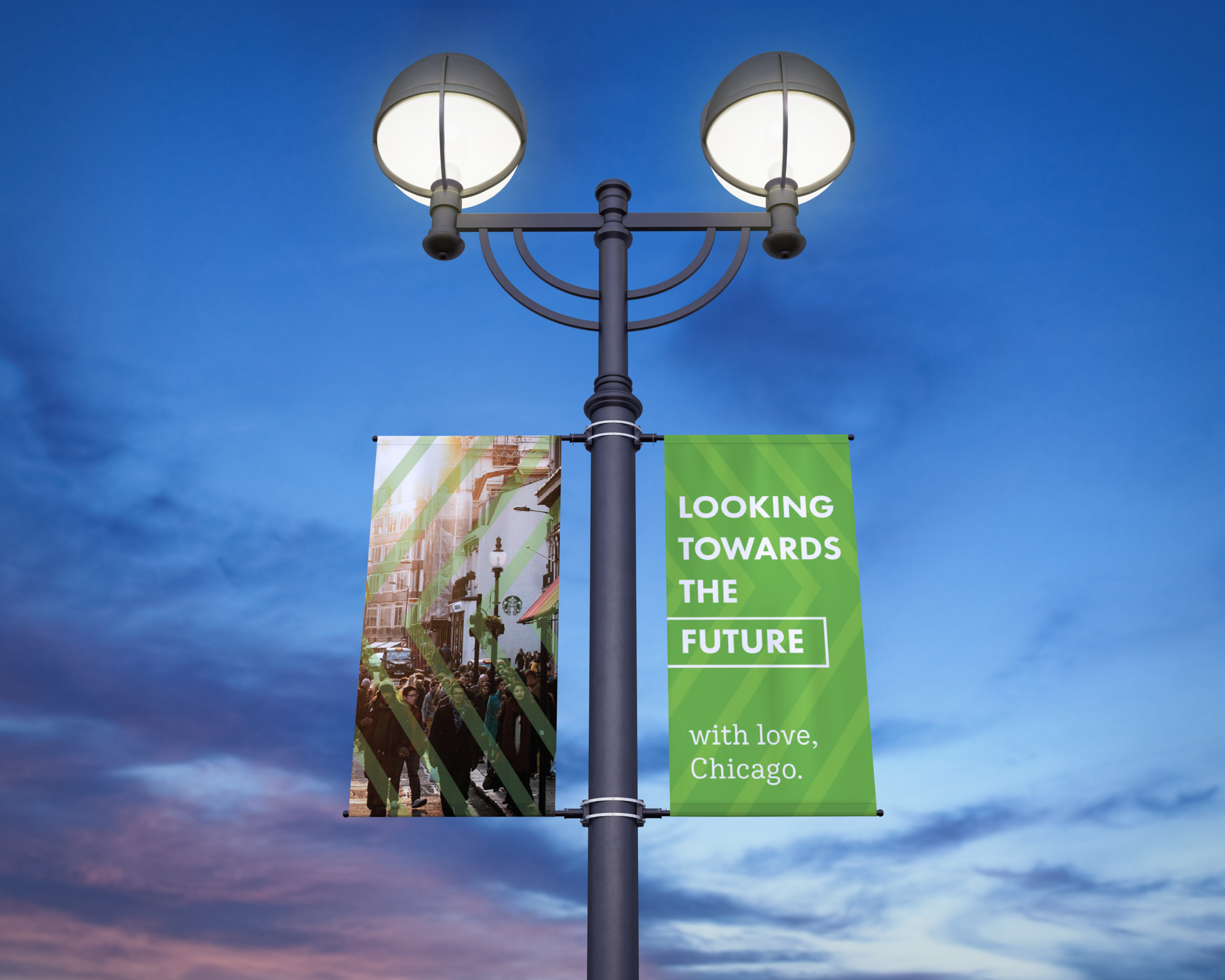
Light pole banners bridge the gap between long-term construction and instant community pride. While major infrastructure projects can feel like a slow, dusty crawl toward progress, banners act as a shining star, to help visitors navigate your streetscapes and future plans. Light pole banners are the silent heroes of community engagement while urban planning. Cranes and construction crews do the heavy lifting, but it is the banner that quietly holds a community together, offering art in place of chaos, wayfinding in place of confusion, and a sense of progress and pride in place of disruption.
Construction zones often suffer from a “visual deficit.” To a passerby, a street full of orange cones and scaffolding can look abandoned or broken. This leads to residents and visitors beginning to avoid the area, hurting local businesses.
Using a custom banner as a placemaking tactic emerges as a valuable recovery strategy, as localities have experienced reduced traffic and increased vacancies in storefronts. Projects like street pole banners work to uplift businesses, connect artists with paid work opportunities, and improve the atmosphere of a cityscape. By inserting public art into the infrastructure of city spaces, banners can reduce the sense of isolation and loneliness felt by the community, as well as build public transparency.
Banners help to reclaim the vertical space, by lifting the eye above the debris, they signal that the area is being managed and cared for. Quietly turning empty corridors and construction zones into engines of community engagement. Cities that embrace this potential are finding creative and meaningful ways to use every square foot of banner space, including:
- Historical storytelling — archival photos, timelines, and fun facts about the neighborhood’s past
- Project updates — renderings of the finished development, milestone announcements, and expected completion dates
- Local business spotlights — highlighting nearby shops and restaurants to keep foot traffic alive during disruption
- Public art — commissioned murals from local artists that reflect the neighborhood’s culture and identity
- Wayfinding and accessibility info — detour maps, accessible route markers, and pedestrian safety reminders
- QR codes — linking to project websites, public comment forms, or augmented reality previews of the finished space
- Community shoutouts — recognizing schools, nonprofits, and volunteers who contribute to the neighborhood
- Event promotion — advertising upcoming farmers markets, festivals, or city hall meetings
- Sustainability messaging — sharing the environmental goals of the project, such as green building certifications or tree replacement plans
- Social media hooks — dedicated hashtags or handles that invite residents to share memories, hopes, and progress photos
A city promises its residents that the disruption of today is the foundation of something better tomorrow. Banners honor that promise in real time. They ask nothing of a passerby except a moment of attention, and in return they offer art, information, direction, and a sense of belonging. In a world where communities can feel increasingly disconnected from the decisions that shape their neighborhoods, a well-placed banner is a small but powerful reminder that the city sees its people and is building with them in mind. That is the quiet power of the silent hero.